<?xml version="1.0" encoding="UTF-8"?>
<feed xmlns="http://www.w3.org/2005/Atom" xml:lang="">
                        <id>https://bothbest.support-hub.io/feed/1705</id>
                                <link href="https://bothbest.support-hub.io/feed/1705" rel="self"></link>
                                <title><![CDATA[bothbest Article Feed]]></title>
                    
                                <subtitle></subtitle>
                                                    <updated>2025-12-16T00:39:43+00:00</updated>
                        <entry>
            <title><![CDATA[How Dealers Can Promote The Benefits Of Strand Woven Bamboo]]></title>
            <link rel="alternate" href="https://bothbest.support-hub.io/articles/how-dealers-can-promote-the-benefits-of-strand-woven-bamboo-6743" />
            <id>https://bothbest.support-hub.io/6743</id>
            <author>
                <name><![CDATA[bamboo flooring]]></name>
            </author>
            <summary type="html">
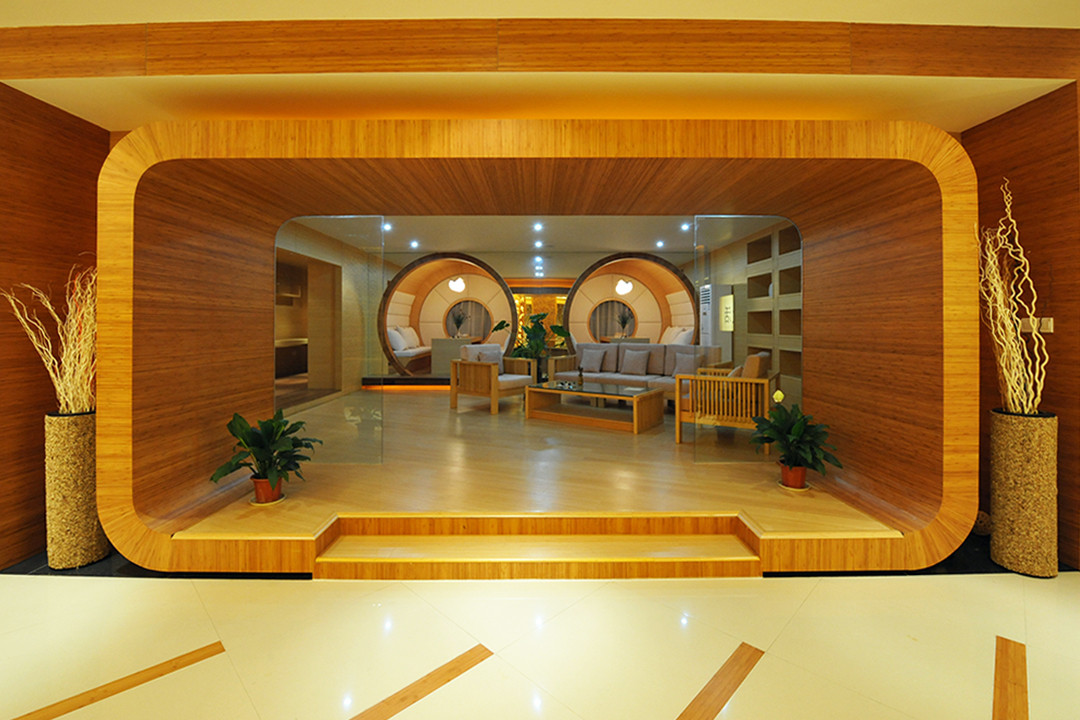
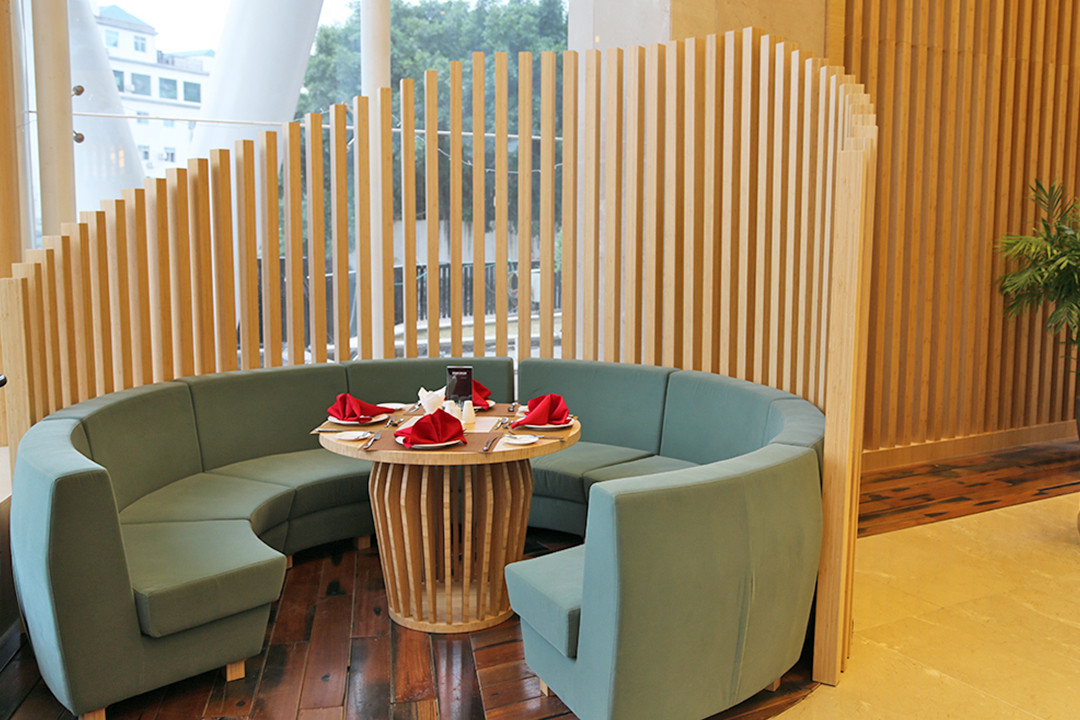
                <![CDATA[<p><a href="https://www.bambooflooringchina.com" target="_blank" rel="noreferrer noopener">Strand woven bamboo flooring</a>Strand woven bamboo flooring has emerged as a strong contender in the flooring market, thanks to its unique attributes of durability, sustainability, and aesthetic versatility. As a bamboo flooring factory technologist, I recognize the immense potential for dealers to effectively promote these benefits to their customers. By focusing on key aspects of strand woven bamboo, dealers can educate their clients and elevate their sales strategies.</p><p>Highlighting Durability
</p><p>One of the foremost benefits of strand woven bamboo is its exceptional durability. It’s essential for dealers to emphasize the Janka hardness rating, which indicates the floor's resistance to dents and scratches. This rating often surpasses that of traditional hardwoods like oak and maple, making strand woven bamboo an ideal choice for high-traffic areas in both residential and commercial settings.
</p><p>Statistics and Comparisons
</p><p>Using data can help convey this durability effectively. For instance, presenting a side-by-side comparison of the hardness ratings of strand woven bamboo versus other common flooring materials can make a compelling case. Consider creating educational brochures or infographics that visually depict these statistics to capture customer interest and facilitate discussions.
</p><p>Real-World Applications
</p><p>Sharing testimonials and case studies can also provide real-world examples of strand woven bamboo's durability. Highlighting installations in busy households, commercial spaces, or public areas can demonstrate its performance under various conditions. Visual evidence of wear and tear over time can further reinforce its suitability for high-use environments.
</p><p>Emphasizing Sustainability
</p><p>As environmental awareness grows, many consumers prioritize sustainable products in their purchasing decisions. Strand woven bamboo excels in this area, as it is made from rapidly renewable bamboo grass, which can be harvested every three to five years without harming the ecosystem.
</p><p>Eco-Friendly Certifications
</p><p>Dealers should educate their customers about eco-friendly certifications, such as those from the Forest Stewardship Council (FSC). Products that are FSC-certified not only come from sustainable sources but also ensure responsible forest management practices. Providing information about these certifications can enhance the perceived value of strand woven bamboo flooring.
</p><p>Carbon Footprint and Indoor Air Quality
</p><p>Discussing the carbon sequestration properties of bamboo can further emphasize its sustainability. Bamboo absorbs more carbon dioxide than hardwood trees, contributing positively to the environment. Additionally, highlighting the low volatile organic compound (VOC) emissions of quality strand woven bamboo products can appeal to health-conscious consumers. Stressing the benefits of improved indoor air quality can be particularly effective for families with young children or individuals with allergies.
</p><p>Showcasing Aesthetic Appeal
</p><p>Strand woven bamboo offers a modern and sophisticated appearance, making it a versatile choice for various interior design styles. Dealers should focus on this aesthetic flexibility when presenting the product to clients.
</p><p>Design Options
</p><p>Dealers should highlight the range of colors, textures, and finishes available in strand woven bamboo. Providing samples or swatches allows potential customers to see and feel the product, which can greatly influence their decision. Demonstrating different installation patterns, such as herringbone or wide planks, can also showcase the versatility of bamboo flooring.
</p><p>Visual Aids
</p><p>Utilizing digital tools, such as augmented reality apps or visualization software, can enhance the customer experience by allowing them to see how strand woven bamboo would look in their own space. This interactive approach can engage customers and help them envision the product in their homes or businesses.
</p><p>Educating on Maintenance and Longevity
</p><p>Educating customers about the maintenance requirements and longevity of strand woven bamboo is key to making them comfortable with their purchase decision. Dealers should explain that this flooring type is relatively low maintenance compared to hardwoods.
</p><p>Simple Care Instructions
</p><p>Providing straightforward care instructions, such as regular sweeping, occasional damp mopping, and recommending appropriate cleaning products, can alleviate concerns about upkeep. Including this information in brochures, websites, and in-person discussions can help customers understand the commitment involved in owning strand woven bamboo flooring.
</p><p>Longevity and Value
</p><p>Highlighting the long lifespan of strand woven bamboo, especially in comparison to other flooring materials, can further drive home its value proposition. This durability minimizes the need for replacements and contributes to long-term savings for the homeowner or business.
</p><p>Addressing Common Concerns
</p><p>While strand woven bamboo has numerous benefits, customers may have concerns or misconceptions that dealers should proactively address. Recognizing and addressing these concerns can help foster trust and confidence in the product.
</p><p>Moisture and Humidity
</p><p>Customers may worry about the performance of bamboo in moisture-prone areas. Dealers should explain that while bamboo has some susceptibility to moisture, high-quality strand woven bamboo is engineered to be more stable and moisture-resistant. Recommending appropriate underlayment and installation methods can further address these concerns.
</p><p>Warranty and Support
</p><p>Offering clear information about warranties can also alleviate hesitations. Dealers should communicate the warranty terms of strand woven bamboo products, as manufacturers often back their products with extensive coverage. This assurance can enhance customer confidence in the investment they are making.
</p><p>Creating a Strong Brand Presence
</p><p>To effectively promote strand woven bamboo, dealers should focus on building a strong brand presence. Having a clear marketing strategy that emphasizes the unique attributes of bamboo flooring can set a dealer apart in a competitive market.
</p><p>Marketing Channels
</p><p>Utilizing various marketing channels—social media, email newsletters, blogs, and community events—can help create awareness and drive interest in strand woven bamboo flooring. Engaging with customers on platforms like Instagram and Facebook to showcase successful installations can create a loyal following.
</p><p>Community Engagement
</p><p>Participating in local events, home shows, or community sustainability initiatives can further raise awareness of the benefits of strand woven bamboo. Hosting workshops or informational sessions can provide valuable insights for potential customers while positioning dealers as knowledgeable experts in the field.
</p><p>Leveraging Partnerships
</p><p>Building relationships with builders, architects, and interior designers can expand a dealer's reach and create additional sales opportunities. By forging partnerships, dealers can introduce strand woven bamboo flooring as a preferred option for various projects.
</p><p>Training and Education
</p><p>Educating partners about the benefits and installation methods of strand woven bamboo can help ensure they recommend it confidently. Providing resources, such as brochures or product samples, can reinforce these efforts.
</p><p>Referral Programs
</p><p>Establishing referral programs can incentivize builders and designers to recommend strand woven bamboo flooring to their clients. Offering a commission or discount for successful referrals can help create a mutually beneficial relationship.
</p><p>Conclusion
</p><p>Promoting the benefits of strand woven bamboo flooring requires a multifaceted approach that highlights durability, sustainability, aesthetic appeal, and maintenance ease. By effectively communicating these advantages and addressing customer concerns, dealers can enhance their sales strategies while contributing to a greater understanding of bamboo as a superior flooring choice. With the right resources, education, and relationships in place, dealers can position strand woven bamboo flooring as a top choice for discerning consumers.</p><p>
</p><p>
</p><p>
</p><p>
</p><p>
</p><p>
</p><p>
</p><p>
</p><p>
</p><p>
</p><p>
</p><p>
</p><p>
</p><p>
</p><p>
</p><p>
</p><p>
</p><p>
</p><p>
</p><p>
</p><p>
</p><p>
</p><p>
</p><p>
</p><p>
</p><p>
</p><p>
</p><p>
</p><p>
</p><p>
</p><p>
</p><p>
</p><p>
</p><p>
</p><p>
</p><p>
</p><p>
</p><p>
</p><p>
</p><p>
</p><p>
</p><p>
</p><p>
</p><p>
</p><p>
</p><p>
</p><p>
</p><p>
</p><p>
</p><p>
</p><p>
</p><p>
</p><p>
</p><p>
</p><p>
</p><p>
</p><p>
</p><p>
</p><p>
</p><p>
</p><p>
</p><p>
</p><p>
</p><p>
</p><p>
</p><p>
</p>]]>
            </summary>
                                    <updated>2025-12-05T09:06:10+00:00</updated>
        </entry>
            <entry>
            <title><![CDATA[Exploring the Beauty and Strength of Natural Bamboo Flooring]]></title>
            <link rel="alternate" href="https://bothbest.support-hub.io/articles/exploring-the-beauty-and-strength-of-natural-bamboo-flooring-6744" />
            <id>https://bothbest.support-hub.io/6744</id>
            <author>
                <name><![CDATA[bamboo flooring]]></name>
            </author>
            <summary type="html">
                <![CDATA[<p><img src="https://support-hub--assets.s3.eu-west-2.amazonaws.com/assets/1232/images/MqWPiSIK7SPGBZzJnRJE0BmbJI8D23JZIi29Kk1J.jpg" width="200" alt="MqWPiSIK7SPGBZzJnRJE0BmbJI8D23JZIi29Kk1J.jpg" /></p><p>Working inside a bamboo flooring factory gives me a front‑row seat to a material that still surprises me every day. What may seem like a simple grass stalk from the outside becomes, through careful craftsmanship, a durable, elegant flooring option that fits a range of homes and design preferences. I’ve watched raw culms arrive from the fields, seen them split and processed, and followed each board as it moves through drying, pressing, machining, and finishing. That experience has shown me just how much character and capability natural bamboo carries.</p><p><br /></p><p>When people think of flooring, many still picture traditional hardwoods. Bamboo often enters the conversation later, sometimes with curiosity, sometimes with skepticism. But <a href="https://www.bambooflooringchina.com/products/product-type-BambooFlooring.html" target="_blank" rel="noreferrer noopener">natural bamboo flooring</a> has grown far beyond a niche alternative. Its appearance, strength, and reliability have evolved with modern manufacturing techniques, and its character offers a warmth and clarity you don’t always get from other materials.</p><p><br /></p><p>From a factory perspective, the first thing that stands out is the consistency of the raw material itself. Because bamboo matures far faster than trees, the culms we work with are generally harvested at an ideal age. This age balance produces fibers strong enough for density and durability, yet flexible enough to be shaped and bonded without brittleness. Each stalk arrives in its natural state—greenish, smooth, and still carrying the faint scent of the bamboo forest. Once split and de‑sugared, the strips reveal the natural color variation inside: creamy yellows, soft golds, and pale amber. Those tones eventually become the familiar hues people associate with natural bamboo floors.</p><p><br /></p><p>One of the most appreciated qualities of natural bamboo flooring is its clean, linear grain. The long fibers create a visual clarity that suits both modern and traditional interiors. Homeowners often describe it as calming or uncluttered. In our finishing department, we’ve learned how to enhance these natural lines without hiding them. A light matte finish keeps the appearance soft and organic, while a slightly higher gloss adds a more refined look. Both options protect the boards while allowing the natural grain to show through.</p><p><br /></p><p>The structure behind that beauty is just as important. When bamboo strips are pressed together, they can be configured in different ways depending on the design. For natural bamboo flooring, the traditional vertical and horizontal constructions remain popular. Vertical construction gives a more consistent, narrow grain pattern. Horizontal construction shows off the characteristic nodes and broader patterns. Both offer reliable performance when manufactured correctly. Inside the factory, the key to strength lies in controlled drying and precise pressing pressure. Even slight variations can affect stability, so quality checks happen repeatedly during the process.</p><p><br /></p><p>One aspect people often comment on is how hard bamboo flooring actually is. Natural bamboo, when pressed and cured properly, reaches hardness levels that compare well with many hardwoods. Anyone who has installed these floors knows they hold up well under daily use. Walking through our inspection line, I often tap a board lightly along its edge. The dense, solid feel is unmistakable. That sturdiness is one reason bamboo works well in high‑traffic areas of a home. It resists dents better than many expect, and the dimensional stability helps it react more predictably to seasonal humidity changes.</p><p><br /></p><p>Another advantage that becomes obvious when working with bamboo daily is how well it handles finishing. The smooth surface takes stain evenly, though natural bamboo flooring is most often left in lighter, more natural tones. These tones create a sense of openness in a room, making spaces look brighter. Interior designers often choose natural bamboo when they want flooring that lifts light without feeling cold. Even after machining, the natural sheen of the fibers adds a quiet warmth.</p><p><br /></p><p>While the visual qualities usually draw people in first, one behind‑the‑scenes detail also deserves attention: the bonding adhesives used in modern bamboo flooring. In a factory setting, adhesive quality is closely monitored. Today’s standards rely on formulations that minimize emissions while providing strong internal bonding. This is part of what gives natural bamboo flooring its dependable lifespan. With proper installation and basic care, these floors can serve a home for many years. I’ve walked on floors installed from batches I remember seeing in production, and they still look good with only minor signs of wear.</p><p><br /></p><p>Another topic that comes up often is installation. Bamboo flooring is relatively installer‑friendly, especially when produced with accurate machining and smooth click‑locking systems. In our profiling section, precision is everything. A difference of even a fraction of a millimeter can make a board difficult to install. When the locking system is clean and well‑cut, installers find the boards fit snugly with little effort. Some customers choose the classic tongue‑and‑groove style for glue‑down installations, while others prefer floating floors with click systems. Both methods work well when paired with proper subfloor preparation.</p><p><br /></p><p>Inside the factory, moisture control is one of the constant focuses. Bamboo strips must be dried slowly and consistently, often in controlled kilns. Rushing this part of the process can lead to boards that expand or contract unpredictably after installation. Workers monitor moisture levels throughout processing, and each batch is tested before machining. This attention to moisture is part of what gives natural bamboo flooring its reputation for stability.</p><p><br /></p><p>Another point that often surprises customers is how versatile natural bamboo flooring can be. While many assume bamboo belongs only in minimalistic or contemporary interiors, its clean grain actually complements a wide range of styles. Rustic spaces benefit from its subtle, natural look. Coastal interiors pair well with its light, airy tones. Even formal spaces can use bamboo for a softer, more welcoming feel compared to darker hardwoods. Watching samples move through showroom displays, we often see how differently the same board reads depending on lighting and surrounding décor.</p><p><br /></p><p>Working in production also means seeing how bamboo flooring performs under different conditions. Boards are subjected to abrasion tests, impact tests, and checks for surface adhesion. These aren’t just formalities—they replicate the stresses floors face in real homes. Natural bamboo usually excels in these tests, especially when the finish coats are applied evenly and cured properly. The matte finishes in particular tend to hide minor scratches better than glossy ones, a detail homeowners appreciate over time.</p><p><br /></p><p>Maintenance is another area where natural bamboo flooring shines. Regular sweeping and occasional cleaning with a damp mop are usually enough to keep the surface in good shape. The factory finishes are designed to resist moisture, though standing water should still be avoided. Over the years, I’ve learned that customers value a floor that stays attractive without constant upkeep. Because bamboo has a naturally smooth surface, it doesn’t trap dust easily, making it practical for families and pet owners.</p><p><br /></p><p>The sustainability aspect is often mentioned, though from a factory perspective, reliability and quality remain the highest priorities. Even so, knowing that bamboo regenerates quickly adds a layer of value for many homeowners. Workers who harvest bamboo manage the plants in cycles, allowing continuous regrowth. Each culm used for flooring represents a renewable resource that matures in just a few years. This cycle supports long‑term material availability without the long wait required for hardwood forests.</p><p><br /></p><p>What keeps me most connected to natural bamboo flooring is watching it transform from a raw plant into a finished product that people live with every day. I’ve seen how the natural grain brightens a space, how the durability withstands the rhythm of daily life, and how the warm tone fits comfortably into so many homes. The boards we produce don’t just pass through machines; they carry the natural character of the bamboo they came from—simple, strong, and quietly beautiful.</p><p><br /></p><p>Natural bamboo flooring may appear modest at first glance, but once installed, it adds a distinct sense of clarity to a room. Its smooth grain, dependable structure, and natural warmth make it more than just a practical choice. For those of us who make it, and for the many who choose it for their homes, it offers a balance of beauty and strength that stands out in its own subtle way.</p>]]>
            </summary>
                                    <updated>2025-12-07T00:33:19+00:00</updated>
        </entry>
            <entry>
            <title><![CDATA[Step Into Serenity: Bamboo Floors Inspired by Traditional Forest Walks]]></title>
            <link rel="alternate" href="https://bothbest.support-hub.io/articles/step-into-serenity-bamboo-floors-inspired-by-traditional-forest-walks-6745" />
            <id>https://bothbest.support-hub.io/6745</id>
            <author>
                <name><![CDATA[bamboo flooring]]></name>
            </author>
            <summary type="html">
                <![CDATA[<p><img src="https://support-hub--assets.s3.eu-west-2.amazonaws.com/assets/1232/images/8Zk3ScnJursUS5aD1UriaDCs3KEQsEScYihqeKUN.jpg" width="200" alt="8Zk3ScnJursUS5aD1UriaDCs3KEQsEScYihqeKUN.jpg" /></p><p>There is a particular calm that comes from walking beneath tall bamboo. Light filters through the canes in narrow beams, shadows drift across the ground, and each step lands on a surface that feels both firm and gentle. These quiet paths have inspired architects, designers, and craftspeople for centuries. In recent years, they have also shaped the way homeowners think about flooring. When bamboo is refined into planks, it carries the ease and quiet confidence of those forest trails into interior spaces.</p><p><br /></p><p>Bamboo flooring draws on qualities that ancient cultures appreciated long before modern manufacturing existed—resilience, natural warmth, clarity of texture, and a sense of connection to the landscape. When these qualities come together in a home, they create an atmosphere that recalls the calm steady rhythm of a slow walk through a grove. This is where the idea of serenity begins to take shape.</p><p><br /></p><p>The Influence of Forest Pathways</p><p>Traditional bamboo paths, whether found in East Asian temple gardens or rural mountain regions, share a certain understated beauty. Instead of demanding attention, they guide movement gently. The ground beneath the feet often has a muted sound, almost cushioned yet still solid. The surface is smooth but not slick, textured enough to feel natural, and warm enough to provide comfort in cooler seasons.</p><p><br /></p><p>Flooring designers have looked closely at these sensations. They strive to replicate the balance of firmness and softness that defines a forest walk. Bamboo offers this duality naturally. Its fibers are dense enough to resist wear, yet flexible enough to prevent the brittle feeling sometimes associated with harder woods.</p><p><br /></p><p>The Natural Calm of Bamboo Grain</p><p>Grain patterns in bamboo flooring vary depending on how the material is processed. Vertical and horizontal constructions reveal subtle stripes, while strand woven styles produce organic, flowing patterns. These lines resemble the natural rhythm of bamboo groves—upright, steady, and never chaotic. Rooms feel instantly calmer when surfaces follow such quiet, predictable patterns.</p><p><br /></p><p>Color also plays a role in this sense of serenity. Soft blond tones suggest sun‑washed trails. Rich amber shades recall older culms warmed by passing seasons. Even deeper hues can mimic the shadows found at the base of tall bamboo stands. When paired with sunlight, neutral fabrics, or simple furnishings, these colors guide the eye gently across the room without abrupt shifts.</p><p><br /></p><p>Sustainable Roots: A Material That Respects Its Source</p><p>Bamboo flooring aligns naturally with the idea of serenity because its origins are grounded in responsible growth. Bamboo is a rapidly renewing plant that thrives without the long regrowth cycles of hardwoods. Harvesting does not require uprooting the plant; roots stay in place and new shoots rise year after year.</p><p><br /></p><p>Craftsmen who work with bamboo often emphasize the importance of mindful harvesting and careful selection. Mature culms—those between five and seven years old—offer the best balance of strength and flexibility. This respect for timing mirrors the quiet patience of forest pathways themselves.</p><p><br /></p><p>Many producers use adhesives and finishes that meet strict indoor air standards, ensuring the flooring contributes to a healthy environment. For homeowners seeking calm, this focus on clean indoor air adds another layer of comfort.</p><p><br /></p><p>Comfort Underfoot: A Quiet, Grounded Feeling</p><p>One of the most noticeable qualities of bamboo underfoot is its sense of grounded support. It doesn’t carry the hollow echo that sometimes comes from very hard floors. Instead, each step lands with a muted firmness. This makes the material particularly well suited for bedrooms, living areas, and spaces designed for relaxation.</p><p><br /></p><p><a href="https://www.bambooflooringchina.com/products/click-strand-woven-bamboo-flooring.html" target="_blank" rel="noreferrer noopener">Strand woven bamboo flooring</a>, produced by compressing fibers under intense pressure, offers exceptional durability without losing its natural warmth. This combination allows it to handle heavy use while still contributing to a peaceful atmosphere. Whether used in bare‑foot spaces or busy hallways, it maintains its calm character.</p><p><br /></p><p>How Bamboo Floors Capture the Rhythm of Walking Paths</p><p>Designers who aim to evoke traditional forest walks often consider more than just the material. They look at how planks are arranged, how light interacts with the floor, and how the space encourages movement.</p><p><br /></p><p>Several elements help achieve this effect:</p><p><br /></p><p>Long, continuous lines: Using longer planks or staggered installations reinforces the feeling of a trail stretching ahead.</p><p>Soft matte finishes: These avoid harsh reflections and help the floor appear settled and natural.</p><p>Gentle color gradients: Light variation mimics the shifting tones of sun and shade in a bamboo grove.</p><p>Open space planning: Fewer visual barriers allow the floor’s natural flow to guide movement quietly.</p><p>Even in small rooms, these choices create subtle reminders of outdoor pathways.</p><p><br /></p><p>Pairing Bamboo Flooring With Calming Interior Elements</p><p>Bamboo works well with interiors that lean toward simplicity and natural harmony. When used thoughtfully, it anchors a space without dominating it.</p><p><br /></p><p>Consider pairings such as:</p><p><br /></p><p>Linen or cotton textiles that add breathability and lightness</p><p>Soft, diffused lighting that echoes the dappled glow of a bamboo canopy</p><p>Handmade ceramics, woven baskets, or low wooden stools that echo the textures of minimalist forest shelters</p><p>Potted plants with tall, slender forms that mirror bamboo’s vertical rhythm</p><p>The overall effect remains grounded, uncluttered, and open.</p><p><br /></p><p>The Craft Behind the Calm</p><p>While bamboo flooring carries a natural sense of peace, the craftsmanship behind it is far from simple. Each step requires attention to detail, especially in processes like moisture control, milling accuracy, and finishing. If bamboo retains too much moisture before pressing, the final planks may shift or cup. If the milling is not precise, gaps appear. If the finish is too heavy, the floor loses its organic character.</p><p><br /></p><p>Skilled producers pay close attention to these factors. They dry the material slowly and evenly. They press strands under consistent pressure. They apply finishes in thin, balanced layers that protect without overwhelming. This care reflects the same patience required to build a traditional bamboo walkway—steady work leading to quiet beauty.</p><p><br /></p><p>Durability With a Soothing Character</p><p>Homes and commercial spaces often experience unpredictable wear: dropped objects, furniture movement, pets, busy gatherings. Bamboo flooring, especially strand woven varieties, handles these challenges with resilience while still maintaining its calm visual presence.</p><p><br /></p><p>Its hardness rivals that of many dense hardwoods, and its structure distributes stress in ways that help it resist dents and scratches. Yet it never feels harsh. Even in high‑traffic areas, the surface retains a warm, organic appearance.</p><p><br /></p><p>Because bamboo responds to changes in humidity, proper installation and acclimation remain important. Once settled, the material performs reliably in a wide range of environments.</p><p><br /></p><p>Stories Carried Into Modern Spaces</p><p>The appeal of bamboo flooring lies not only in its performance but also in the stories embedded within it. For centuries, bamboo has been used in footpaths, bridges, woven shelters, and garden walkways. Each application reflects a sense of harmony with the environment.</p><p><br /></p><p>When incorporated into contemporary interiors, bamboo flooring brings echoes of those lived experiences. People often describe feeling grounded, calm, or refreshed when walking across it. These reactions come not from trend‑focused design, but from something more enduring: a connection to natural patterns and places where movement feels unhurried.</p><p><br /></p><p>Creating Rooms That Invite You to Slow Down</p><p>Modern life rarely slows itself. Spaces designed with bamboo flooring can encourage a quieter rhythm. A hallway feels less like a thoroughfare and more like a gentle walkway. A living room becomes a place to linger. A bedroom gains an atmosphere suited to rest.</p><p><br /></p><p>Small intentional choices help enhance this feeling:</p><p><br /></p><p>Keeping the area free from excessive decoration</p><p>Choosing furnishings with soft edges and natural materials</p><p>Allowing wide pathways between functional zones</p><p>Using scents such as cedar, green tea, or herbs to complement the natural tones of the floor</p><p>These details support the calming presence that bamboo introduces.</p><p><br /></p><p>A Floor That Reflects a Way of Moving Through Space</p><p>Forest walks offer a particular type of calm—the kind that arises when movement matches breath and surroundings. Bamboo flooring, shaped by that inspiration, brings something similar into everyday environments. Its textures, tones, and gentle responsiveness echo the steadiness of traditional pathways.</p><p><br /></p><p>Whether placed in a quiet reading corner, a spacious family room, or a breezy hallway, bamboo flooring has a way of softening the atmosphere without sacrificing strength or function. It invites slower steps, steadier breathing, and a momentary return to the quiet of a shaded grove.</p><p><br /></p><p>By drawing from the qualities found in time‑honored forest walks, this flooring brings a sense of peace within reach, grounding each day with natural clarity and quiet confidence.</p>]]>
            </summary>
                                    <updated>2025-12-10T23:44:10+00:00</updated>
        </entry>
            <entry>
            <title><![CDATA[How Imported Machines Shape the Future of Bamboo Flooring Production]]></title>
            <link rel="alternate" href="https://bothbest.support-hub.io/articles/how-imported-machines-shape-the-future-of-bamboo-flooring-production-6747" />
            <id>https://bothbest.support-hub.io/6747</id>
            <author>
                <name><![CDATA[bamboo flooring]]></name>
            </author>
            <summary type="html">
                <![CDATA[<p><img src="https://support-hub--assets.s3.eu-west-2.amazonaws.com/assets/1232/images/lSCNqf4xu6l5uvC9x7nAOKhxJn1DpRUXlXN4Flnp.jpg" width="200" alt="lSCNqf4xu6l5uvC9x7nAOKhxJn1DpRUXlXN4Flnp.jpg" /></p><p>Bamboo flooring has moved far beyond its early reputation as a niche, budget‑friendly alternative to hardwood. Its rise has been steady, supported by a combination of sustainability advantages, structural strength, and natural appeal. But behind the growth of this sector is a less‑visible force: the machinery that mills, presses, bonds, finishes, and inspects every plank. Many bamboo manufacturers rely heavily on imported machines to reach the levels of precision, consistency, and scale that modern consumers expect.</p><p><br /></p><p>Understanding how these machines influence production offers a clearer picture of where the industry is heading. The story blends technology, material science, environmental responsibility, and craftsmanship—all contributing to floors that look better, last longer, and offer more stability under varied conditions.</p><p><br /></p><p>Why Bamboo Needs Specialized Processing</p><p><br /></p><p>Bamboo isn’t wood. Even though it is used in many of the same applications, its structure is entirely different. It grows as a hollow culm with highly dense outer fibers and varying densities toward the inner walls. These fibers run vertically, creating a material that behaves differently under cutting tools and finishing equipment.</p><p><br /></p><p>This means bamboo requires machinery capable of:</p><p><br /></p><p>Handling long, hollow tubes rather than solid logs</p><p>Splitting and planing narrow strips with minimal fiber tear‑out</p><p>Applying adhesive evenly across many small components</p><p>Pressing layers under high pressure without distortion</p><p>Achieving consistent thickness and joint alignment</p><p><br /></p><p>These steps demand high‑precision equipment. Many domestic machines can handle simpler flooring processes, but advanced bamboo products—including strand‑woven planks—benefit greatly from imported technology designed for continuous high‑stress production.</p><p><br /></p><p>Splitting and Pre‑Processing: Where Accuracy Begins</p><p><br /></p><p>The first stage of bamboo flooring production involves cutting the raw culms into strips. This might seem straightforward, but bamboo’s fibers can splinter easily if blade geometry isn’t correct or if feed rates fluctuate. Many manufacturers rely on imported strip‑processing machines engineered with:</p><p><br /></p><p>Servo‑controlled feed systems</p><p>Carbide or diamond‑tipped blades with precise grinding profiles</p><p>Automated calibration to compensate for natural bamboo variation</p><p><br /></p><p>These machines reduce waste, increase throughput, and improve consistency. When the initial strips are uniform, later stages—drying, planing, and bonding—run more smoothly and yield fewer defects.</p><p><br /></p><p>Some high‑end plants have integrated laser‑guided alignment systems that identify internal density differences and adjust cutting angles on the fly. Although expensive, these systems allow manufacturers to achieve uniformity that’s nearly impossible with manual or semi‑automatic setups.</p><p><br /></p><p>Drying Technology: A Quiet Foundation for Stability</p><p><br /></p><p>Bamboo must be dried thoroughly before bonding and pressing. Moisture isn’t just an annoyance—it determines whether planks will later cup, warp, shrink, or split. High‑quality imported drying kilns often use:</p><p><br /></p><p>Computer‑controlled humidity cycles</p><p>Gradual temperature adjustments</p><p>Moisture sensors embedded throughout the load</p><p>Anti‑stress conditioning steps</p><p><br /></p><p>These advanced systems allow manufacturers to reach moisture levels suitable for bonding without damaging the natural fibers. Traditional kilns can produce acceptable results, but imported systems typically shorten drying time while improving consistency.</p><p><br /></p><p>The more predictable the moisture content, the more stable the final flooring. This is especially important for strand‑woven bamboo, which involves compressing many fibers together under extremely high pressure. Even slight variations in moisture can lead to internal stress that eventually appears as micro‑cracks.</p><p><br /></p><p>Bonding and Pressing: The Heart of Modern Bamboo Flooring</p><p><br /></p><p>The most transformative aspect of imported machinery lies in the bonding and pressing stage. Bamboo flooring generally comes in three types: horizontal, vertical, and strand‑woven. The first two are relatively simple. Strand‑woven, however, demands high pressure, precise temperature control, and uniform adhesive distribution.</p><p><br /></p><p>Imported pressing machines often feature:</p><p><br /></p><p>Multi‑daylight hydraulic systems</p><p>Computer‑regulated temperature zones</p><p>Automatic pressure adjustments</p><p>Adhesive metering systems with micron‑level accuracy</p><p>Infrared sensors to detect bonding irregularities</p><p><br /></p><p>These machines can achieve the extreme densities that give strand‑woven bamboo its remarkable hardness. The better the press, the more stable the flooring. Lower‑grade equipment may produce uneven bonding, leading to soft spots or areas prone to separation. High‑end imported presses help manufacturers push bamboo’s performance into territory once dominated by hardwood.</p><p><br /></p><p>Some recent models even include vacuum‑assisted adhesive penetration, ensuring deeper bonding and reducing the risk of delamination.</p><p><br /></p><p>Precision Milling: Where Planks Gain Their Final Shape</p><p><br /></p><p>Once the boards are pressed and cured, they must be milled into floor‑ready planks. This involves tongue‑and‑groove or click‑lock profiles, micro‑bevels, and accurate thickness sanding.</p><p><br /></p><p>Modern imported moulders and profiling machines bring:</p><p><br /></p><p>High‑frequency spindle motors for smooth finishes</p><p>Contactless measurement scanners</p><p>Automated tool‑change systems</p><p>Dust‑collection designs that reduce fiber burn</p><p><br /></p><p>These machines can maintain tolerances within fractions of a millimeter. Such precision is essential for click‑lock systems, where even a small deviation affects how the planks fit together. Poor milling leads to gaps, raised edges, and noisy floors.</p><p><br /></p><p>Many plants pair these machines with imported sanding lines capable of multiple passes at controlled pressure. This step ensures that the planks receive an even surface ready for finish application.</p><p><br /></p><p>Finishing Lines: Blending Aesthetics with Performance</p><p><br /></p><p>Bamboo floors often undergo advanced finishing processes that involve UV curing, abrasion‑resistant coatings, and decorative staining. Imported finishing lines often combine multiple techniques:</p><p><br /></p><p>Multi‑layer UV curing</p><p>Ceramic or aluminum‑oxide reinforcement</p><p>Roller and spray‑coating hybrids</p><p>Robotic staining arms for color consistency</p><p>Infrared drying tunnels</p><p>Vacuum‑coating systems for thicker protective layers</p><p><br /></p><p>These systems allow manufacturers to create finishes that resist scratches, fading, and everyday wear. Robotic coating arms produce smooth finishes without brush marks or uneven thickness. UV curing hardens the surface quickly, locking the finish into place and enhancing abrasion resistance.</p><p><br /></p><p>Some high‑end lines incorporate inline defect detection cameras that identify imperfections invisible to the human eye. These corrections reduce the number of rejected boards, improving efficiency and sustainability.</p><p><br /></p><p>Quality Control: The Shift Toward Intelligence and Automation</p><p><br /></p><p>As machinery evolves, quality control is no longer just a matter of visual inspection. Advanced imported systems integrate:</p><p><br /></p><p>Laser scanners to detect micro‑cracks</p><p>Moisture sensors to monitor internal stability</p><p>AI‑driven surface grading cameras</p><p>Acoustic resonance analysis for density consistency</p><p>Automated barcode tracking through each production stage</p><p><br /></p><p>These tools give manufacturers a clearer picture of product reliability. Floors that pass this level of scrutiny tend to perform better under real‑world stress, especially in variable climates.</p><p><br /></p><p>Some modern bamboo factories track every plank from raw culm to packaged box. Detailed traceability improves accountability and helps identify areas where efficiency or performance can improve.</p><p><br /></p><p>Sustainability Gains Through Better Machinery</p><p><br /></p><p>Imported production equipment may appear to raise costs, but it often improves sustainability in several ways:</p><p><br /></p><p>Lower energy consumption through optimized motors</p><p>Reduced waste thanks to precise cutting and milling</p><p>More efficient adhesive use</p><p>Longer‑lasting finished products, reducing replacement frequency</p><p>Cleaner emissions with modern filtration and dust control systems</p><p><br /></p><p>Many of the newest imported machines are engineered specifically to reduce environmental impact without compromising output. This aligns naturally with bamboo’s reputation for sustainability, enhancing its credibility in the flooring market.</p><p><br /></p><p>How Imported Machinery Shapes Market Trends</p><p><br /></p><p>The influence of imported machines extends far beyond the factory floor. Their capabilities help define broader trends in bamboo flooring.</p><p><br /></p><p>Higher‑Density Products</p><p><br /></p><p>Machines capable of extreme pressing pressures enable manufacturers to create ultra‑dense planks with exceptional hardness—appealing to consumers seeking durability.</p><p><br /></p><p>More Sophisticated Textures</p><p><br /></p><p>Precision tooling allows for wire‑brushed, hand‑scraped, and distressed surface patterns that were once difficult to apply evenly on bamboo.</p><p><br /></p><p>Wider and Longer Planks</p><p><br /></p><p>Improved stability from advanced pressing and drying opens the door to larger dimension flooring, a growing trend in interior design.</p><p><br /></p><p>Reduced VOC Emissions</p><p><br /></p><p>Imported finishing lines optimized for low‑VOC coatings support healthier indoor environments.</p><p><br /></p><p>Competitive Pricing at Scale</p><p><br /></p><p>Automation lowers labor costs and speeds production, helping bamboo compete more directly with established hardwood categories.</p><p><br /></p><p>What the Future Looks Like for Bamboo Flooring Production</p><p><br /></p><p>The push toward automation, higher precision, and cleaner production is accelerating. Manufacturers that invest in advanced machines gain the flexibility to introduce new textures, stronger boards, better finishes, and more consistent colors. These improvements help bamboo flooring move from a value‑driven choice to a premium option suitable for a wider range of homes and commercial spaces.</p><p><br /></p><p>As more plants adopt high‑end imported technology, the differences between bamboo and hardwood narrow. What remains distinct is bamboo’s natural fiber structure—and when combined with advanced machinery, that structure becomes a foundation for impressive performance.</p><p><br /></p><p>The future of <a href="https://www.bambooindustry.com" target="_blank" rel="noreferrer noopener">bamboo flooring</a> production isn’t just about the grass itself; it’s shaped heavily by the machines that cut, press, finish, and refine it. Imported equipment brings capabilities that allow manufacturers to push the material to new levels of stability, beauty, and durability, supporting a continued rise in global demand.</p>]]>
            </summary>
                                    <updated>2025-12-16T00:39:43+00:00</updated>
        </entry>
    </feed>